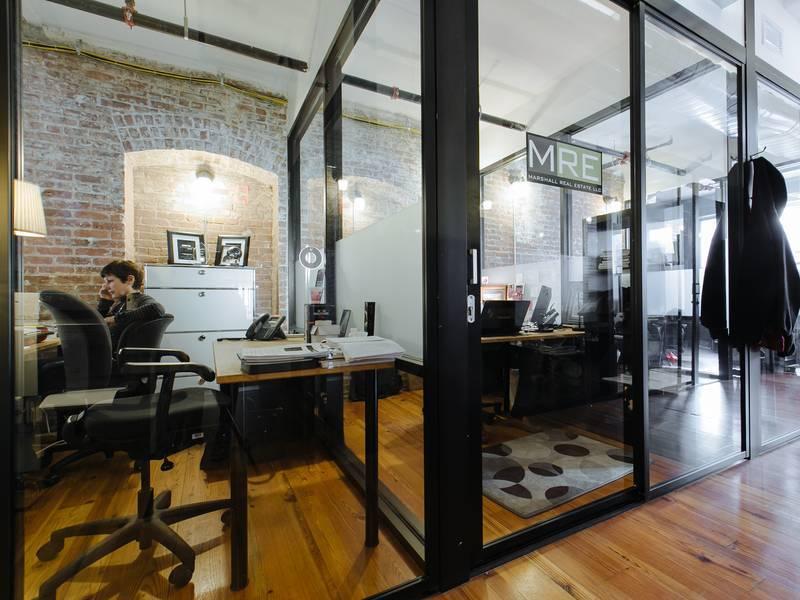
Sublease space is one of the few genuine bargains in the New York office market — often 20–40% below direct asking rents, frequently furnished and wired. The trade-off is that you inherit someone else’s lease, so the details matter more than usual.
Why sublets are cheaper
A sublandlord is a tenant who no longer needs the space and wants to cut losses. They rarely have the appetite for a long negotiation and usually leave furniture, cabling and meeting rooms in place. For a growing company that means moving in within weeks instead of months.
Five things to verify
- Remaining term. Most sublets run one to three years. If you need longer, ask whether the landlord will offer a direct lease afterwards.
- Landlord consent. No sublease is valid without it — get it in writing before you pay anything.
- What happens if the sublandlord defaults. Ask for a non-disturbance agreement so you keep the space if their lease is terminated.
- Services and hours. HVAC after 6pm, cleaning, freight elevator access — the sublandlord can only pass on what the master lease gives them.
- Condition and inventory. Photograph everything, list the furniture in the agreement, agree who restores the space at the end.
Where to look
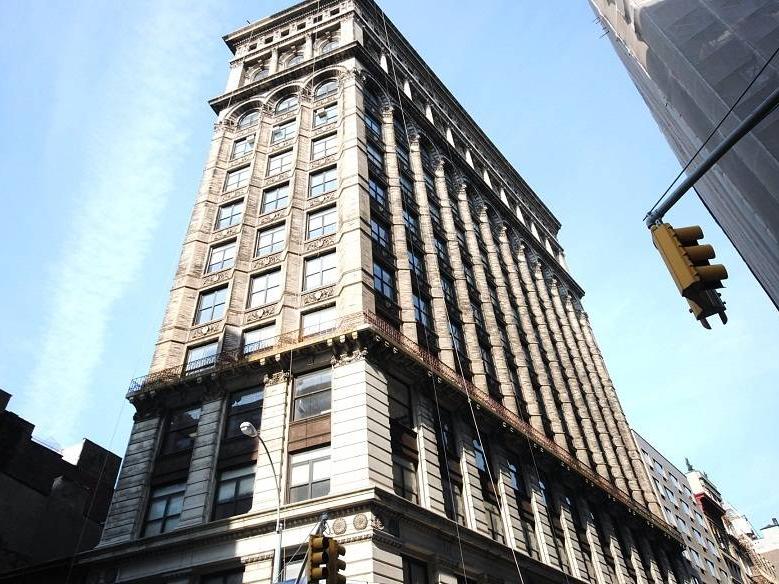
Sublets appear across every submarket, but supply is deepest in large Midtown and Downtown towers. Start with East Midtown, Midtown South and the Financial District, and tell us your dates — sublease availability changes weekly and is not always advertised publicly.